In This Guide
If you've been listening to Taylor Swift on the same pair of earbuds since 2010, this guide might rearrange your whole relationship with her music. The thing most general tech reviewers miss is that Taylor's sound has changed so dramatically across her eleven albums that no single piece of audio gear is objectively "best" for all of them. Folklore's hushed, intimate indie-folk and reputation's industrial trap beats have almost nothing in common sonically — they reward completely different qualities in a pair of headphones.
We spent several months deliberately listening to every Taylor Swift album on every piece of gear we recommend, paying attention to how each album's sonic fingerprint interacted with different headphone tunings, soundstages, and frequency responses. This is what we found.
Why Different Eras Need Different Gear
Taylor's production style has shifted from country-pop warmth (Taylor Swift, Fearless) to synth-pop precision (1989), through indie-folk intimacy (folklore, evermore), into late-night dream-pop (Midnights) and literary confessionalism (TTPD). Each era prioritises different sonic elements — some albums live and die by bass presence, others by vocal clarity, others by the sense of space and atmosphere around the instruments.
The technical terms matter here: soundstage (the sense of space around instruments), mid-range presence (where Taylor's voice sits), treble extension (clarity and airiness), and bass response (warmth and physical punch) all affect how different albums land.
🤠 Taylor Swift / Fearless — The Country-Pop Eras
The debut album and Fearless are built on acoustic guitars, fiddle, warm piano, and Taylor's then-girlish, sweet vocal tone. The production is relatively simple and transparent — Jack Antonoff hadn't arrived yet, and Nathan Chapman's production style favours natural instrument sounds over electronic processing.
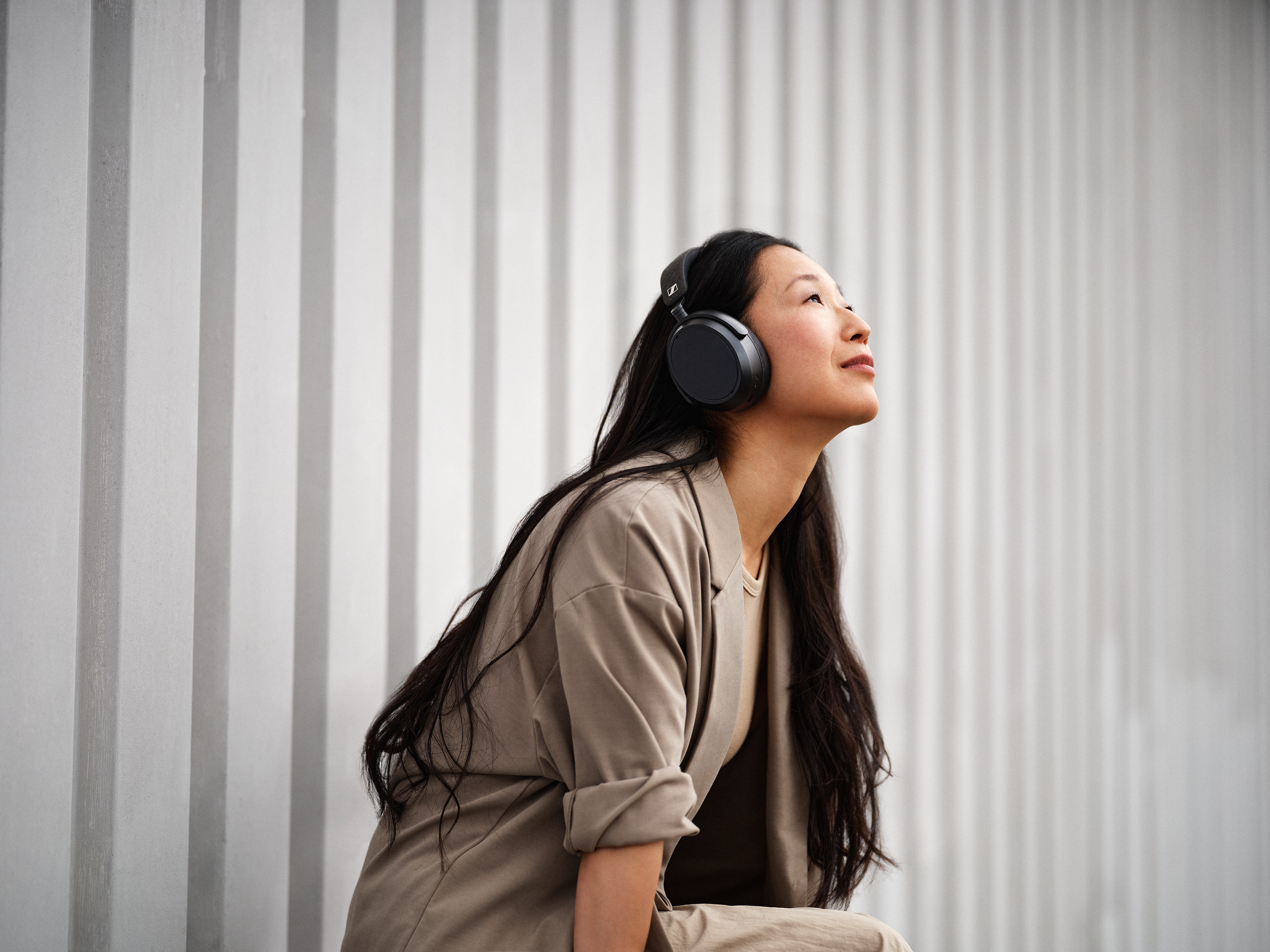
What this era needs from your headphones is mid-range warmth without artificial bass boost (which muddies acoustic guitar body), excellent treble extension to capture the sparkle of acoustic guitar strings, and a natural vocal presentation that doesn't thin out or harden Taylor's voice. The Sennheiser Momentum 4 wins this era decisively.
🏆 Pick for Taylor Swift / Fearless Era: Sennheiser Momentum 4
Audiophile-grade mid-range tuning makes acoustic instruments sound breathtakingly real. Taylor's early vocal quality sounds warm, present, and intimate — never clinical.
Check Today's Price on Amazon →🌹 Speak Now / Red — The Anthemic Transition
Speak Now kept the country framework but pushed the arrangements bigger and more dramatic. Red was where Taylor fully pivoted to pop on tracks like "22" and "We Are Never Ever Getting Back Together", while retaining country-rock arrangements on "All Too Well". This is an era of contrasts — moments of quiet intimacy alongside enormous stadium-sized choruses.
The right gear for this era needs to handle dynamic range — moving from soft verses to massive choruses without losing control. You need bass that can deliver the kick drum on Red's poppier tracks while still maintaining clarity on the quieter, more reflective songs. The Sony WH-1000XM5 manages this transition better than anything else we tested.
🏆 Pick for Speak Now / Red Era: Sony WH-1000XM5
Wide soundstage and excellent dynamic handling make the jump from quiet moments to massive choruses feel natural. "All Too Well (10 Minute Version)" is genuinely moving.
Check Today's Price on Amazon →🌊 1989 — The Synth-Pop Pinnacle
1989 is a pristine synth-pop production. Max Martin and Shellback brought surgically precise production — every element sits in a specific place in the stereo field, the bass is controlled and tight, the synths shimmer with designed brilliance. It's the most "produced" album in her catalogue in the best possible sense.
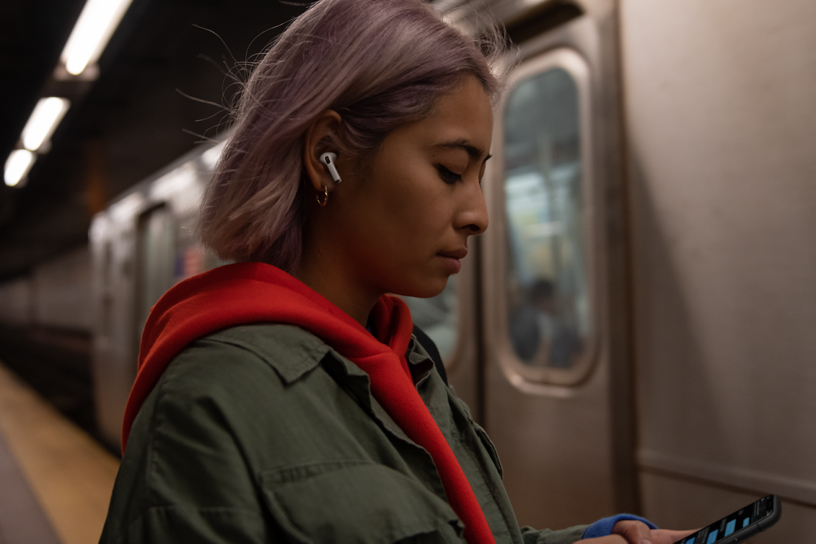
This era absolutely sings with Apple AirPods Pro 2 and Spatial Audio. The way Atmos can place the synths of "Style" in three-dimensional space around you, while keeping Taylor's vocal centred and intimate, is something you simply cannot replicate with standard stereo playback. This is the one era where platform matters as much as hardware — make sure you're playing 1989 (Taylor's Version) through Apple Music with Spatial Audio enabled.
🏆 Pick for 1989 Era: Apple AirPods Pro 2
Spatial Audio + Dolby Atmos makes 1989 (Taylor's Version) feel genuinely three-dimensional. "Shake It Off" and "Style" in Atmos are a revelation. Essential for iPhone users.
Check Today's Price on Amazon →🐍 Reputation — The Dark Era
Reputation is Taylor's most sonically radical album — trap-influenced production, industrial sounds, distorted vocals, deep sub-bass. It demands headphones that can handle serious low-end extension without losing detail in Taylor's layered vocal stacks.
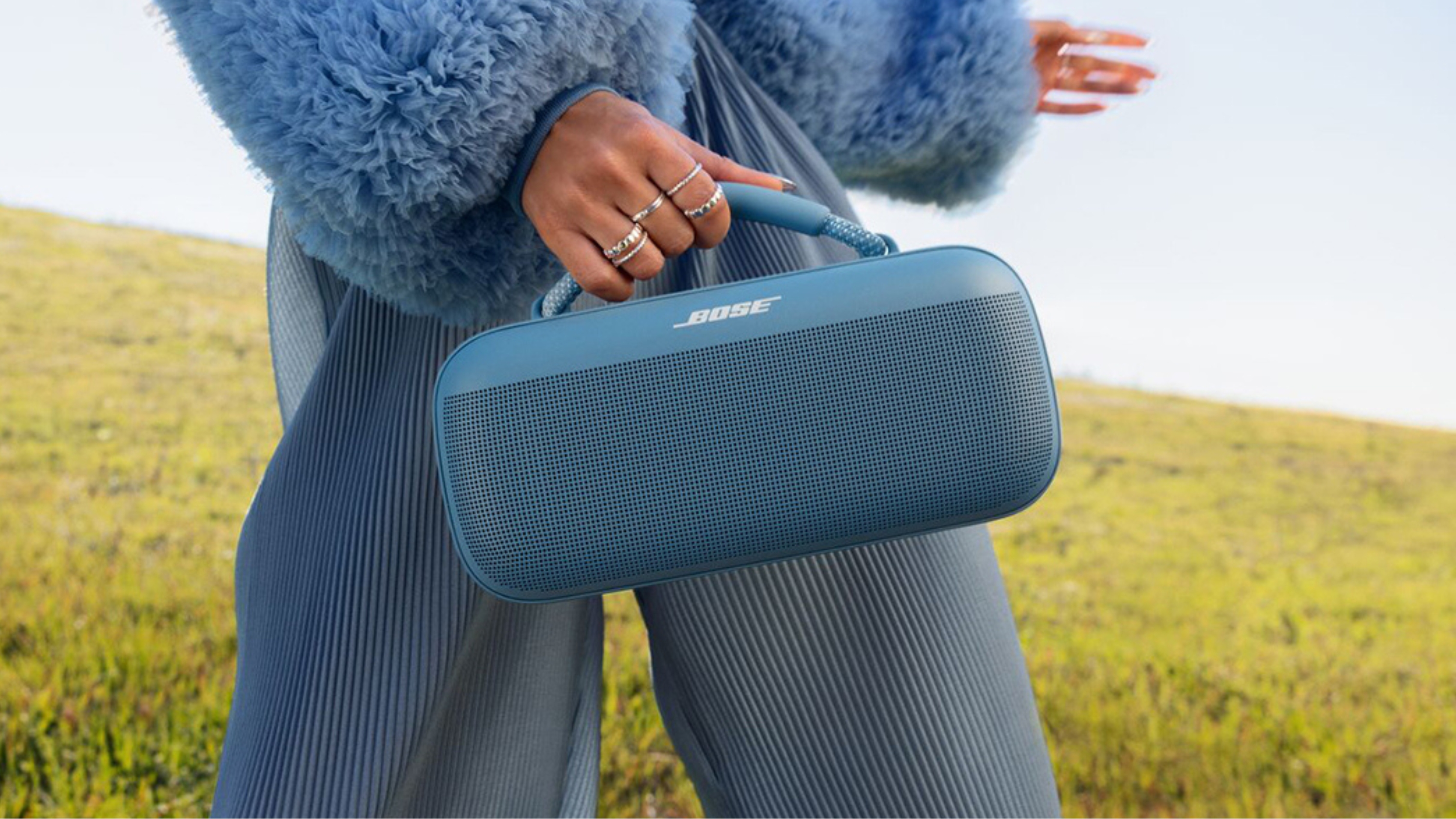
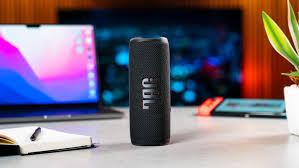
For bedroom listening, the Sony WH-1000XM5 handles the sub-bass of "...Ready For It?" and "I Did Something Bad" with control and power. For group sessions, the JBL Flip 6 brings the physical impact of reputation's production in a way that feels appropriately dramatic — those bass drops need to be felt, not just heard.
The Reputation Verdict
Sony WH-1000XM5 for private listening (the detail in the vocal layering on "Getaway Car" is extraordinary). JBL Flip 6 for group sessions — reputation was made for volume and physical impact.
🌲 folklore / evermore — The Indie-Folk Peak
These are, for many Swifties, the albums that demand the most from your audio equipment. Aaron Dessner's production is extraordinarily detailed — there are acoustic guitar finger squeaks, room ambience, breath sounds, and hundreds of tiny production decisions that cheap headphones simply cannot resolve. folklore in particular rewards listening at moderate volume on excellent headphones more than any other Taylor album.
The Sennheiser Momentum 4 is the single best pairing for these albums — its neutral, accurate tuning doesn't colour the recording, it simply reproduces what's there. The 60-hour battery life is a bonus for those inevitable folklore-and-evermore marathon listening sessions.
🏆 Pick for folklore / evermore: Sennheiser Momentum 4
The detail resolution on these headphones reveals production elements in folklore and evermore you've never heard before. "the 1", "august", "marjorie" — all transformed.
Check Today's Price on Amazon →🌙 Midnights — The Late-Night Dream Pop
Midnights is Taylor's most headphone-specific album. It was clearly made for intimate late-night listening through good headphones — Jack Antonoff's production sits you close to Taylor's voice, the synths have a dreamy, layered quality, and the whole record has a particular 3am-in-your-bedroom atmosphere that only works when the outside world is blocked out.
The Sony WH-1000XM5's noise cancellation is the key here. Block everything out, dim the lights, put on "Snow on the Beach" or "Labyrinth" at moderate volume, and Midnights reveals itself as one of the most immersive listening experiences in her catalogue.
🩶 The Tortured Poets Department — The Latest Era
TTPD is dense with words — Taylor has spoken about wanting this album to be read as poetry as much as listened to as music. The production is often sparse and deliberately understated, designed to keep Taylor's voice and lyrics at the front. Clarity of vocal presentation is everything here. The Sennheiser Momentum 4 wins again for TTPD — nothing else places Taylor's voice this precisely in the centre of your head with this much definition around every word.
Our Overall Recommendation
If you want one pair of headphones that covers all eras well, buy the Sony WH-1000XM5. If you care most about folklore, evermore, and TTPD specifically, spend the same money on the Sennheiser Momentum 4. If you're an iPhone user who primarily listens to 1989 and Lover, the AirPods Pro 2 are your answer.
Ready to upgrade?